When Should I Schedule My New Paver Sealing?
The best time to schedule your new paver sealing is after the pavers have been properly cleaned and allowed to dry for 24 to 48 hours. Ideally, you should seal your pavers during mild weather conditions—avoid sealing in extreme heat or cold. Late spring or early fall are often the most optimal times, as temperatures are moderate and there’s minimal rain. #PaverSealing #OutdoorMaintenance #LandscapingTips #Hardscaping #HomeImprovement #DIY #PaverCare
EXTERIOR CLEANING SERVICE PROCESSESBASIC HOME MAINTENANCECURB APPEALPRESSURE WASHING SERVICES
The Importance of Sealing New Pavers
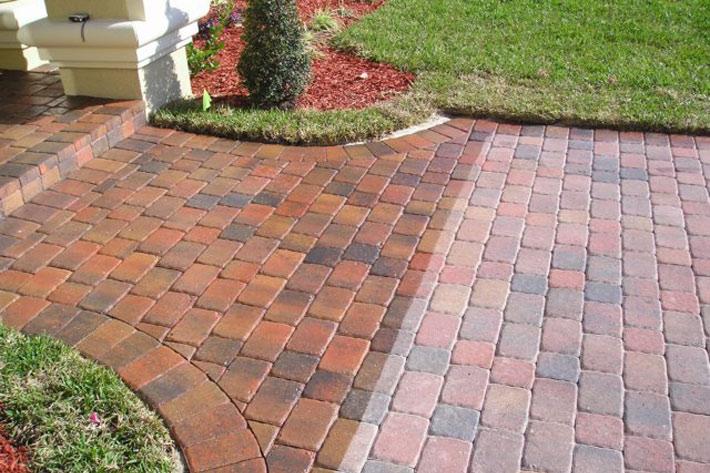
Sealing newly installed pavers is a crucial step that should not be overlooked. One of the primary reasons for sealing is to preserve the vibrant color and finish of the pavers. Often, newly laid pavers exhibit a rich, fresh appearance; however, exposure to various environmental factors such as ultraviolet light, rain, and dirt can lead to unsightly fading and discoloration over time. A high-quality sealant acts as a protective barrier, effectively locking in the paver's original appearance while enhancing its aesthetic appeal.
In addition to aesthetic preservation, sealing pavers provides essential protection against surface deterioration. Unsealed pavers are more susceptible to staining from oil, food, and other substances, which can lead to permanent discoloration. Sealants help in resisting these stains, making maintenance easier and prolonging the lifespan of the pavers. Furthermore, the sealing process helps protect against the infiltration of water, which can cause shifting, cracking, and ultimately lead to costly repairs if left unaddressed.
Another significant reason to consider sealing is the prevention of weed growth and pest infestations. Without proper sealing, the joint sand between pavers can wash away over time due to rainfall or irrigation, creating gaps that allow weeds to take root. Moreover, unsealed pavers can provide ideal conditions for insects, leading to further complications. By sealing the pavers, you not only inhibit these adverse occurrences but also ensure that your paver installation remains intact and attractive for years to come.
Ultimately, the decision to seal new pavers can save time and money in the long run. Neglecting this essential maintenance task may result in serious issues, including weed intrusion, loss of color, and shifting due to joint sand loss. Investing in paver sealing shortly after installation offers lasting benefits that enhance both the beauty and functionality of your outdoor space.
The Best Timing for Paver Sealing
When it comes to maintaining the aesthetic and functional integrity of your newly installed pavers, timing is essential. It is widely recommended that homeowners schedule paver sealing within 60 days of installation. This specific timeframe is critical to achieving optimal results, as it allows the sealant to bond effectively with the pavers while they are still in their prime condition.
One important factor to consider is the curing time of the pavers. After installation, pavers need sufficient time to settle and cure properly. This period can vary based on the materials used and the environmental conditions surrounding the installation site. If the pavers are sealed too early, the moisture trapped underneath can lead to an ineffective seal, reducing the overall longevity and performance of the sealant.
Weather conditions also play a significant role in determining the right time for paver sealing. It's advisable to choose a dry period, ideally when temperatures are between 50°F and 90°F to ensure the sealant adheres properly. Extreme temperatures or high humidity can disrupt the curing process and adversely affect the sealing results. Therefore, monitoring the forecast before application is crucial.
Finally, the type of sealant selected can influence the sealing schedule. Some sealants require a longer curing time than others, making it vital to read the product guidelines closely. By carefully considering these factors and scheduling your new paver sealing appointment within 60 days of installation, you can maximize the protective benefits of the sealant, ultimately extending the life and appearance of your beautiful paver surfaces.
Consequences of Delaying Paver Sealing
Delaying the sealing of new pavers can lead to several detrimental consequences that impact both the appearance and durability of the surface. One of the primary concerns is the increased susceptibility to weed growth. Without a protective seal, moisture can seep between the paver joints, creating an ideal environment for weeds to germinate. These invasive plants not only deteriorate aesthetics but can also displace pavers, leading to the need for costly repairs.
Furthermore, neglecting timely paver sealing can contribute to uneven shifting of the pavers themselves. The lack of a proper seal allows for greater movement as the ground beneath shifts due to weather fluctuations and load weight. Over time, this can allow for the development of unsightly gaps and uneven surfaces, which pose risks for tripping and can detract from the property’s overall curb appeal.
Another significant implication of postponing paver sealing is the accelerated fading of colors. Many modern pavers are designed with rich pigments that enhance their visual appeal. However, exposure to sunlight and environmental elements can lead to color degradation over time. A quality sealant serves as a barrier against these damaging factors, helping to maintain the vibrant hues of the pavers. Without sealing, homeowners may find themselves needing to replace pavers sooner than anticipated, which can result in increased long-term costs.
In summary, the decision to delay paver sealing can have lasting negative effects on both functionality and appearance. Whether through an increase in weed growth, paver shifting, or color fading, the implications are clear. Timely sealing not only protects the investment in outdoor hardscaping but also minimizes the need for costly future repairs. Prioritizing maintenance in the early stages can save homeowners time and money in the long run.
FAQs About Paver Sealing
Paver sealing is an important maintenance step for homeowners looking to protect their investment and enhance the appearance of their outdoor spaces. One common question is, “Can I wait to seal my new pavers?” While it may be tempting to postpone sealing, it is generally recommended to seal new pavers as soon as they are installed. This process helps to protect the pavers from stains, weather elements, and mildew, and it enhances the color and texture of the pavers. Waiting too long could lead to the pavers absorbing contaminants that are difficult to remove later on.
Another frequently asked question centers around the necessity of sealing. Some homeowners believe that pavers do not require sealing at all, which is a misconception. Paver sealing can significantly prolong the lifespan of your pavers by preventing erosion and fading due to UV exposure. It is also important to note that sealing does not eliminate the need for regular cleaning; rather, it complements the maintenance routine by adding an extra layer of protection.
Furthermore, homeowners might wonder if there are alternative options to sealing. Although there are various cleaning solutions available, such as detergents and power washing, they do not prevent future staining or damage as effectively as sealing does. Other options, including applying color enhancers or cleaners, may seem beneficial, but they do not provide the protective barrier that sealing accomplishes. Ultimately, the best way to maintain pavers and keep them looking new is to stick with a regular sealing schedule, ideally once every couple of years, based on the product used and environmental factors.