What You Need to Know About Paver Sealing
Paver sealing protects against stains, weather damage, and weeds while enhancing color and durability. Apply when pavers are clean and dry, ideally in moderate weather. It’s key for long-lasting, beautiful outdoor spaces! #PaverSealing #Landscaping #Hardscaping #OutdoorLiving #HomeImprovement #DIY
EXTERIOR CLEANING SERVICE PROCESSESBASIC HOME MAINTENANCECURB APPEALPRESSURE WASHING SERVICES
Understanding Paver Sealing
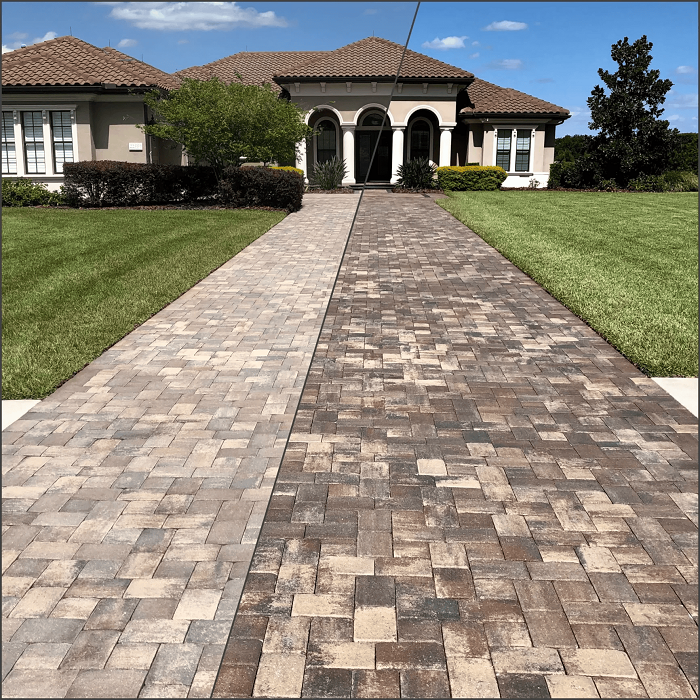
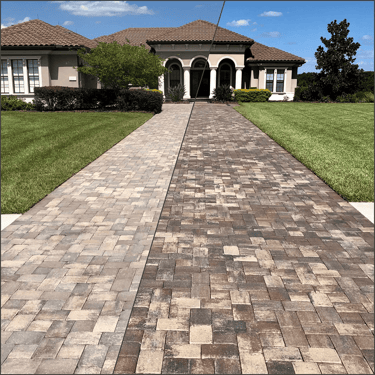
Paver sealing is a crucial process designed to protect and enhance the longevity of paved surfaces, which can include driveways, patios, and walkways. This practice involves applying a specialized sealant to the surface of the pavers, which serves various purposes, such as preventing stains, enhancing color, and providing a barrier against weather elements. Sealing helps maintain the aesthetics and functionality of these outdoor spaces, preventing issues like weed growth between pavers and damage from freeze-thaw cycles.
There are several types of sealants available, with options ranging from penetrating sealers to surface sealers. Penetrating sealers are absorbed into the paver material, providing a protective barrier against water, oil, and other stains without altering the appearance of the pavers. Surface sealers, on the other hand, form a film on top of the pavers and can enhance color, giving them a glossy finish. When selecting a sealant, it is essential to consider the type of paver and the desired outcome, as some products may work better for specific materials.
The ideal conditions for sealing pavers depend largely on weather and temperature. It is generally recommended to seal pavers when the temperature is above 50°F (10°C) and when no rain is forecast for at least 24 hours. Proper surface preparation is also vital; the pavers must be clean, dry, and free of debris to ensure proper adhesion of the sealant. By adhering to these guidelines, property owners can maximize the effectiveness of paver sealing, thereby extending the lifespan and improving the appearance of their outdoor surfaces. This foundational understanding underscores the importance of regular maintenance and care for paved areas.
Benefits of Paver Sealing
Paver sealing offers a multitude of advantages that contribute to both the aesthetic and functional longevity of paved surfaces. One of the primary benefits is the significant reduction of vegetation and weed growth. By applying a sealant, homeowners can deter unsightly plants, which not only preserves the visual appeal of the area but also simplifies maintenance efforts. This effect is particularly beneficial in preventing intrusive weeds that can disrupt the integrity of the paver system.
Additionally, sealing pavers plays a vital role in inhibiting ant activity and curbing the growth of mold and mildew. These pests not only pose a nuisance but can also compromise the structural integrity of your paving by creating small mounds or clumps of dirt, which can lead to uneven surfaces. The application of a quality sealant enhances hygiene and safety by reducing the conditions that allow these organisms to thrive.
Another notable advantage of paver sealing is its protective capabilities against harmful UV rays. Without adequate protection, these rays can cause colors to fade, resulting in a dull and unattractive appearance over time. Sealants help preserve the vibrancy of the pavers, ensuring they maintain their original aesthetic. Furthermore, sealants are instrumental in reducing sand erosion that often occurs due to water runoff and elemental exposure. This defensive layer effectively safeguards against the elements, ensuring that pavers withstand harsh weather conditions.
In conclusion, paver sealing not only enhances the beauty of paved surfaces but also contributes significantly to their durability. The numerous benefits—ranging from weed control to UV protection—highlight the importance of this preventative maintenance practice, securing the investment in hardscaping for years to come.
Dangers of Not Sealing Pavers
Pavers, whether used in driveways, patios, or walkways, provide an aesthetic and functional surface for outdoor spaces. However, neglecting to seal these surfaces can lead to significant long-term issues. Unsealed pavers are particularly susceptible to stains and damage, making regular maintenance a much more challenging and time-consuming task. When exposed to elements such as rain or debris, unsealed pavers can absorb moisture, leading to unsightly stains that can become increasingly difficult to remove over time.
Additionally, without a protective sealant, pavers may suffer accelerated degradation from UV rays and weather conditions. This exposure weakens the structural integrity of the pavers, ultimately causing cracks and chips that not only diminish their visual appeal but can also lead to safety hazards. For instance, damaged pavers can create tripping risks for family members or guests, posing liability issues for homeowners.
Moreover, the financial implications of neglecting paver sealing can be considerable. What may initially seem like a minor issue can escalate into more extensive repairs. As the pavers deteriorate, the costs associated with corrective measures—such as replacing sections of paving or more rigorous cleaning efforts—can add up. Investing in a sealing process helps mitigate these risks, providing a protective barrier that prolongs the lifespan of the pavers and reduces the frequency of necessary maintenance.
In essence, the dangers of not sealing pavers extend far beyond cosmetic concerns. Homeowners must recognize that unsealed surfaces can lead to increased cleaning challenges, potential safety hazards, and higher overall maintenance costs. Implementing a sealing regimen not only preserves the condition of pavers but also fosters a safer, more attractive outdoor environment.
Choosing the Right Sealant and Application Tips
When it comes to selecting the appropriate sealant for your pavers, several factors must be taken into consideration to ensure optimal protection and longevity. The type of pavers, whether they are concrete, brick, or natural stone, will significantly influence the type of sealant you should choose. For instance, acrylic sealers are generally recommended for concrete pavers, as they offer excellent durability and resistance to UV rays, while penetrating sealers work better for porous stone pavers to prevent stains without altering their natural appearance.
In addition to the material of the pavers, environmental conditions play a crucial role in sealant choice. If your pavers are exposed to heavy rainfall or freeze-thaw cycles, a water-repellent sealant is advisable. Conversely, if you're in a warmer climate, an evaporative sealant would be the best option to allow moisture to escape while still protecting the surface. Always check manufacturer specifications and product reviews to guide your decision-making process.
Before applying the sealant, thorough preparation of the pavers is essential. This includes cleaning the surface to remove any dirt, oil, or debris that may interfere with adhesion. Ideally, use a pressure washer to effectively eliminate stubborn stains. Allow the pavers to dry completely – generally, 24 to 48 hours after cleaning – before proceeding with the sealing process. Choosing the right day for application is also important; avoid sealing on windy or rainy days, as adverse weather conditions can affect the sealant’s performance.
As for the application method, a roller or sprayer is typically used for even distribution, and multiple thin coats are preferable to a single thick coat, ensuring better penetration and effectiveness. While some homeowners may feel confident taking on the sealing project independently, hiring a professional can guarantee that the job is done correctly, often saving time and potential mistakes. When weighing these options, consider your budget and skill level to make an informed choice.