Sealed Pavers vs Unsealed: Which is Best for Your Outdoor Space?
Are you debating whether to seal your pavers or leave them unsealed? Sealed pavers are more durable and easier to clean, but unsealed pavers offer a natural look. Discover which option is best for your outdoor space! #Pavers #SealedVsUnsealed #OutdoorLiving #Landscaping #HomeImprovement #DIY #Hardscaping
EXTERIOR CLEANING SERVICE PROCESSESBASIC HOME MAINTENANCECURB APPEALPRESSURE WASHING SERVICES
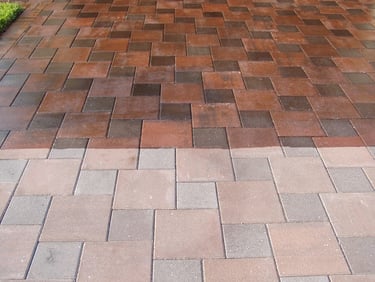
Introduction to Paver Sealing
Paver sealing refers to the process of applying a protective coating to pavers, which can include materials such as concrete, brick, or natural stone. This application serves multiple purposes, chief among them being the enhancement of both the aesthetics and durability of the paved surfaces. Homeowners are increasingly considering paver sealing as a viable option to improve their outdoor spaces, especially given the harsh environmental conditions that these surfaces are often subjected to.
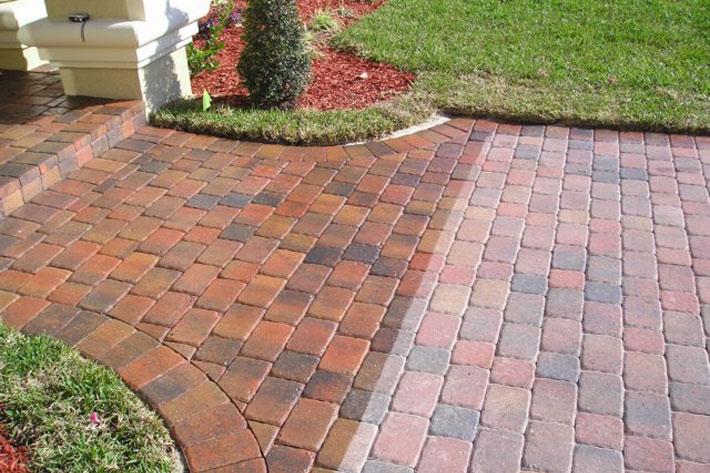
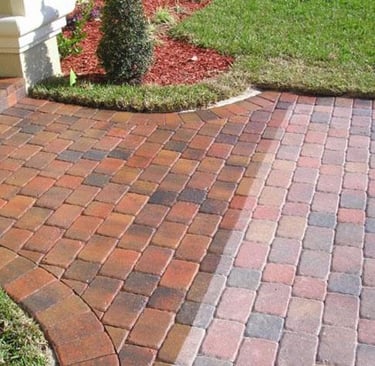
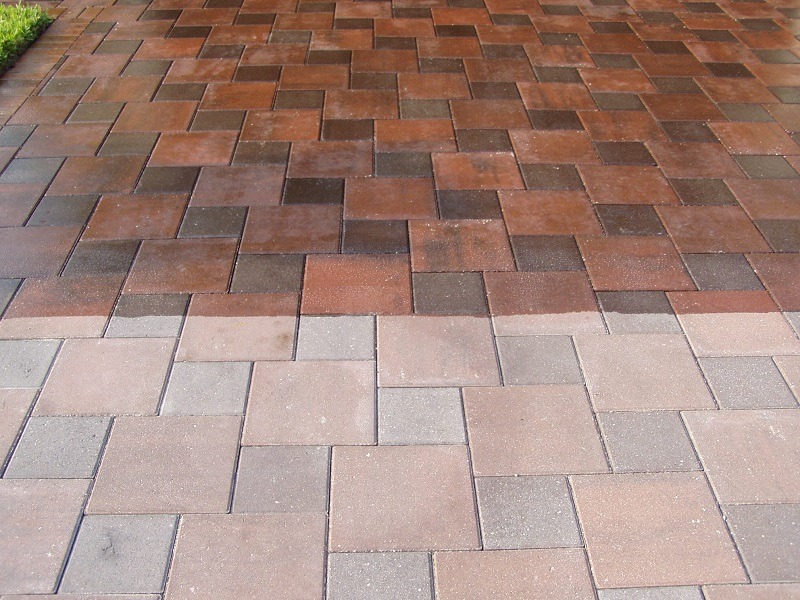
One of the primary advantages of sealing pavers is the enhancement of visual appeal. Sealed pavers maintain a vibrant color and a polished finish, significantly improving the overall look of a patio, driveway, or walkway. Moreover, sealing can help to accentuate the texture of the pavers, allowing them to better complement surrounding landscapes. This aesthetic enhancement can ultimately increase property value and create a more inviting outdoor atmosphere.
In addition to improving appearance, paver sealing also serves to extend the lifespan of these surfaces. The protective layer created through sealing acts as a barrier against moisture, dirt, oil, and other substances that can lead to degradation over time. Sealed pavers are more resistant to stains, cracking, and weeds, reducing the maintenance that homeowners need to invest in. Such durability is critical for outdoor spaces that experience frequent foot traffic or exposure to the elements.
This introductory overview establishes the importance of paver sealing as a consideration for homeowners looking to optimize their outdoor areas. As we delve deeper into the comparison between sealed and unsealed pavers, it will become clear how this decision can impact both functionality and visual appeal in long-term outdoor space management.
Benefits of Sealing Your Pavers
Sealing your pavers provides a multitude of advantages that enhance both the functionality and appearance of outdoor spaces. One primary benefit is the enhancement of curb appeal. A sealed surface maintains its original color and texture, creating a polished and inviting look. Over time, exposure to the elements can diminish the vibrancy of paver colors, but sealing helps protect and preserve that aesthetic appeal. This not only benefits the owner but also positively impacts property value as well as the appeal to potential buyers.
Another significant advantage of sealing pavers is the prevention of weed growth. Weeds can infiltrate the spaces between pavers, creating maintenance headaches and detracting from the overall appearance. A quality sealant creates a barrier that minimizes the chances of weed seeds taking root, thus helping maintain a clean and tidy outdoor area with minimal effort. This feature can be particularly valuable for homeowners who want to reduce the amount of time spent on yard work.
Sealing also simplifies maintenance and cleaning. With a sealed surface, the pavers become more resistant to dirt and grime, enabling easier cleaning with just soap and water. This ease of maintenance is particularly welcome in outdoor spaces where foot traffic is common, preventing build-up of dirt and stains on often-used paths or patios. Furthermore, sealing provides protection against stains and discoloration from spills or other environmental factors. Many sealants are specifically formulated to resist grease, oil, and other common staining agents, keeping the pavers looking fresh and new.
Experts recommend investing in sealing pavers for long-term protection and performance. By choosing to protect your outdoor surfaces, you not only enhance their appearance but also significantly extend their lifespan, promoting durability and reducing replacement costs down the line.
Drawbacks of Sealed Pavers
While sealing pavers offers several advantages, it is essential to consider the potential drawbacks that may accompany this choice. One significant factor to evaluate is the upfront cost associated with sealing. The price of high-quality sealants, combined with professional application, can lead to a notable initial investment. Homeowners must weigh this cost against the long-term benefits to determine if sealing reflects their budget and expectations.
Another consideration is the need for periodic reapplication. Sealed pavers require maintenance, typically necessitating reapplication every one to three years, depending on environmental factors and wear. This ongoing requirement can lead to additional expenses and labor, deterring some homeowners from pursuing sealed options. Understanding the commitment involved in maintaining sealed pavers is crucial in making an informed decision.
Moreover, sealing pavers may bring limitations regarding texture and traction. Certain sealants can create a slick surface, particularly when wet, which could pose safety risks for pedestrians in outdoor spaces. This may be more pronounced in high-traffic areas or locations exposed to inclement weather. Homeowners should consider how the sealant might affect the aesthetic appeal and functionality of their outdoor space.
Lastly, the maintenance of sealed pavers differs from that of unsealed ones. While they may initially require less upkeep in terms of staining and weeding, once sealed, these pavers may need specialized cleaning solutions to avoid damaging the sealant. This challenge highlights the importance of understanding the shifting nature of maintenance responsibilities that sealed pavers impose. Ultimately, a careful assessment of these aspects will help homeowners decide whether sealing their pavers aligns with their needs and long-term outdoor space goals.
When to Choose Unsealed Pavers
Choosing unsealed pavers can be an advantageous decision for homeowners seeking a more natural look and cost-effective solution for their outdoor spaces. One major benefit of opting for unsealed pavers is financial savings. Sealers can be an additional expense that some homeowners may prefer to avoid, especially when working within a limited budget. Unsealed pavers, while requiring comprehensive maintenance, eliminate the upfront costs associated with sealing products, making them a wallet-friendly option for many.
Another compelling reason to select unsealed pavers is their aesthetic appeal. Unsealed versions retain their inherent look and texture, offering a more organic appearance that integrates seamlessly with the surrounding landscape. This natural finish enhances the visual warmth and charm of outdoor settings, contributing to the overall character of the property. Moreover, unsealed pavers can present various colors and surfaces, allowing homeowners to choose designs that harmonize with their outdoor decor while avoiding the potentially glossy and artificial shine brought by sealants.
Unsealed pavers also promote improved drainage and soil health. Unlike sealed surfaces, which can inhibit water flow and create runoff issues, unsealed pavers allow rainwater to penetrate the paver joints, replenishing the soil below and supporting vegetation growth. Proper drainage nurtures a healthier ecosystem, reducing the risks associated with excess water accumulation, such as erosion and standing puddles.
Despite the drawbacks of unsealed pavers, such as susceptibility to stains and weeds, homeowners can take practical measures to prolong their lifespan. Regular cleaning, timely re-leveling, and periodic re-sanding of joints can significantly enhance the durability and visual appeal of unsealed pavers. By implementing a diligent maintenance routine, homeowners can enjoy the natural beauty and benefits of unsealed pavers for many years to come.