
Reviving Your Stone Surfaces: The Art of Pressure Washing Flagstone and Limestone
Restore the natural beauty of your flagstone and limestone surfaces with professional pressure washing. It effectively removes dirt, moss, and stains, bringing out the rich texture and color of these stones without causing damage. Keep your patios, walkways, and outdoor spaces looking fresh and vibrant for years to come. #PressureWashing #StoneCleaning #Flagstone #Limestone #OutdoorLiving
EXTERIOR CLEANING SERVICE PROCESSESBASIC HOME MAINTENANCECURB APPEALPRESSURE WASHING SERVICES
Understanding Flagstone and Limestone
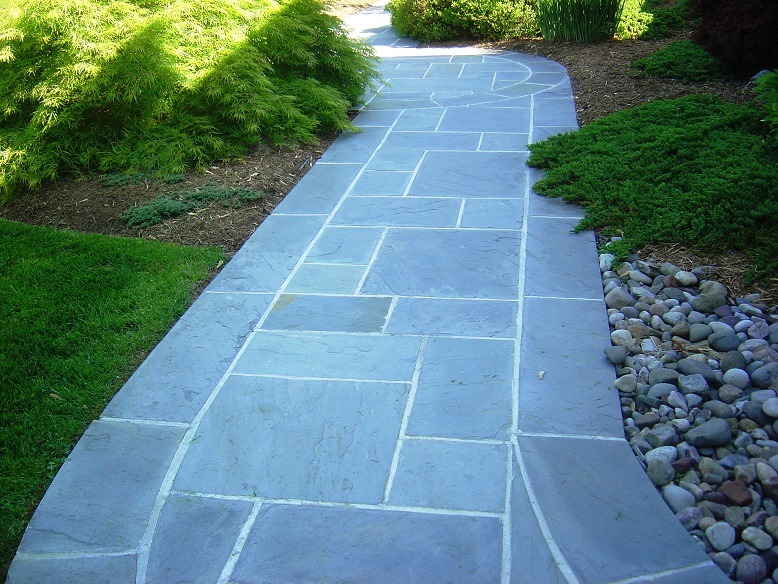
Flagstone and limestone are two widely recognized options for outdoor surfacing, each boasting a distinct set of characteristics that contribute to their popularity in landscaping and construction. Flagstone is known for its flat, irregular shapes that are often used to create beautiful patios, walkways, and garden paths. Its rich color variations and natural texture add an organic aesthetic that enhances any outdoor environment. Furthermore, flagstone's durability allows it to withstand the elements and heavy foot traffic, making it an ideal choice for external applications.
Limestone serves as another excellent option for outdoor surfaces. Composed primarily of calcium carbonate, this sedimentary rock is often employed in both residential and commercial settings. Its light color palette—ranging from soft whites to warm tans—provides a clean and elegant look that complements a variety of design themes. Like flagstone, limestone is commonly utilized for patios, pathways, and garden features, offering a smooth surface that is comfortable underfoot.
However, as beautiful and sturdy as these stones may be, they are not without maintenance challenges. Over time, both flagstone and limestone can become marred by the accumulation of dirt, mildew, and algae. These elements not only detract from the stone's visual appeal but may also compromise its structural integrity if left untreated. Regular cleaning is essential to maintain the vibrancy of the stone and to prevent potential long-term damage. As a result, the use of pressure washing emerges as a beneficial solution for restoring the original beauty of flagstone and limestone, ensuring that these stunning surfaces remain a captivating feature of outdoor spaces for years to come.
Why Pressure Wash Flagstone and Limestone?
Pressure washing flagstone and limestone surfaces is a highly effective method for maintaining both their aesthetic appeal and structural integrity. These natural stones, often chosen for patios, walkways, and landscapes, can accumulate dirt, grime, and stains over time. Regular pressure washing significantly enhances their visual appeal by removing unsightly marks and revealing the vibrant colors and textures inherent in the stone. The restoration of the surface to its original condition not only improves the overall appearance of the space but also increases property value.
Beyond aesthetic improvements, pressure washing serves critical safety purposes. Over time, flagstone and limestone can become breeding grounds for moss, algae, and mildew, which can lead to slippery surfaces. This becomes a significant hazard, particularly in areas that experience moisture or minimal sunlight. By employing pressure washing techniques, homeowners can eliminate these slippery growths, ensuring a safer environment for both residents and guests. As such, pressure washing is not merely about cleanliness; it is also a preventative measure that reduces the risk of accidents and potential injuries.
Maintaining flagstone and limestone surfaces through regular pressure washing is essential for extending their lifespan. Continuous exposure to dirt and organic growth can lead to long-term damage, such as pitting or erosion. The high-pressure stream effectively removes built-up grime, thereby preventing the degradation of the stones. Failure to regularly pressure wash these surfaces may result in costly repairs or even replacement. Hence, incorporating pressure washing into routine maintenance provides a dual advantage: preserving beauty and ensuring the durability of these stunning natural stones.
The Pressure Washing Process
Pressure washing is a highly effective method to clean and restore the beauty of flagstone and limestone surfaces. The process involves the use of specialized equipment, primarily a pressure washer, which utilizes high-pressure water jets to remove dirt, grime, and other contaminants from these stone surfaces. To achieve optimal results, it is important to select the right equipment and follow a systematic approach.
Firstly, the essential equipment for pressure washing includes a reliable pressure washer with adjustable pressure settings. For flagstone and limestone, it is advisable to select a model with at least 3000 PSI (pounds per square inch) of pressure, ensuring that it is powerful enough to effectively remove stubborn stains without damaging the stone. Additionally, using a fan or wide-angle nozzle is crucial, as it disperses water over a larger area, reducing the risk of etching or causing harm to the stone.
The first step in the process is to prepare the work area. Remove any loose debris, such as leaves and dirt, from the surface of the flagstone or limestone. Next, it is important to protect any adjacent plants or landscaping by covering them with plastic sheeting. This precaution prevents any potential damage from the high-pressure water and detergent solution used during cleaning.
Once the area is prepared, wearing appropriate safety gear, such as goggles and gloves, is essential. Operators should begin by setting the pressure washer to a lower setting to test a small, inconspicuous area of the stone. This ensures that the pressure is suitable and that no damage occurs. Once confirmed, the operator can gradually increase the pressure if needed, moving the nozzle at a consistent distance of about 12 to 18 inches above the surface. Cleaning should proceed in overlapping strokes to ensure thorough coverage.
Finally, it is advisable to finish the process by rinsing the surface with clean water to remove any residual detergent, ensuring a comprehensive cleaning. Always allow the stone to dry completely before applying any sealant or protective coat, as moisture trapped beneath these products can lead to damage over time. Following these steps will help maintain the integrity of natural stones while delivering exceptional cleaning results.
Maintaining Your Clean Stone Surfaces
Once you have restored the beauty of your flagstone and limestone through pressure washing, it is crucial to establish an effective maintenance routine to preserve their appearance and extend their longevity. Regular cleaning, combined with preventative strategies, can significantly reduce the accumulation of dirt, algae, and other unwanted contaminants.
To begin with, it is advisable to create a consistent cleaning schedule. For residential settings, a bi-weekly or monthly cleaning regimen can effectively maintain the surfaces, depending on the level of exposure to weather elements and foot traffic. Utilizing a soft-bristle broom or a leaf blower can assist in removing debris, preventing grime from settling. Additionally, homeowners should employ a mixture of mild soap and warm water along with a gentle scrub brush for routine washing, ensuring that the stones remain free of stains and substances that may cause degradation.
To combat future buildup, consider implementing preventative measures. This includes promptly cleaning up spills and avoiding the use of harsh chemicals that may damage the stone surface. It is also beneficial to plant vegetation that does not shed excessively near your flagstone or limestone, as fallen leaves and pollen can contribute to messiness. Furthermore, strategic placement of furniture and planters can assist in managing leaf and dirt accumulation.
Finally, sealing flagstone and limestone after cleaning is a crucial step that provides an additional layer of protection against staining and moisture intrusion. A high-quality stone sealant can repel water and prevent the growth of algae and mold, ensuring that the surfaces maintain their pristine condition for an extended period. Regular application of sealant, as recommended by the product guidelines, can promote the durability and beauty of your stone surfaces.
By adhering to these maintenance practices, homeowners can ensure that their flagstone and limestone surfaces remain inviting and aesthetically pleasing while also prolonging their functional lifespan.