
Make Your Pavers Look New: A Comprehensive Guide
Transform your outdoor space with this step-by-step guide to restoring your pavers. Learn how to clean, repair, and maintain them, making your driveway, patio, or walkway look brand new again. Get expert tips on sealing, pressure washing, and removing stains for long-lasting beauty! #PaverRestoration #OutdoorLiving #PatioMakeover #DrivewayCare #PaverCleaning #HomeImprovement #LandscapingTips #DIYHome #CurbAppeal #SealingPavers #PaverMaintenance
EXTERIOR CLEANING SERVICE PROCESSESBASIC HOME MAINTENANCECURB APPEALPRESSURE WASHING SERVICES
Assessing Your Pavers for Cleaning
Before starting any cleaning process for your pavers, it is crucial to conduct a thorough assessment of their condition. Begin by inspecting the surface for any visible signs of wear and tear, such as cracks, fading, or unevenness. Take note of any stains that may have developed due to oil spills, rust, or organic growth. This initial evaluation will provide insights into the necessary cleaning methods and products that might be required to restore the pavers to their original condition.
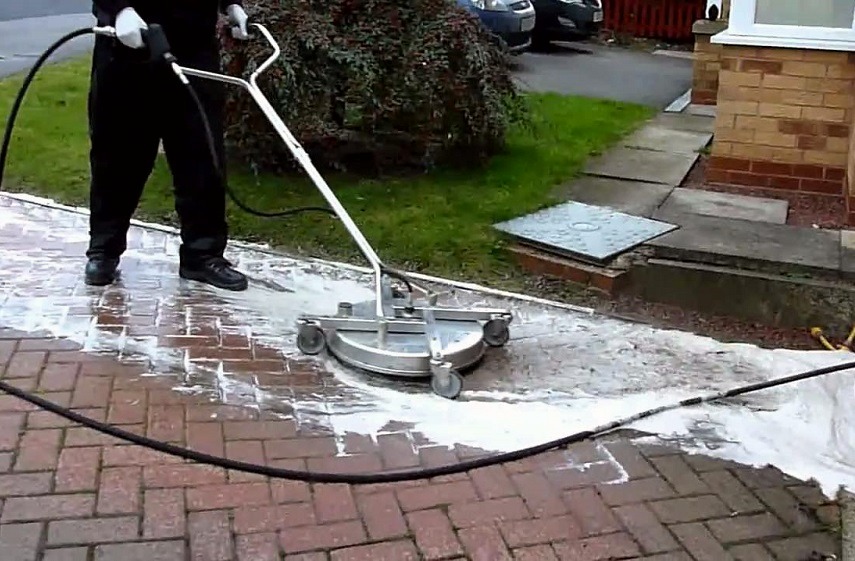
Additionally, pay attention to the joints between the pavers. Weeds, grass, or other plants can infiltrate these spaces, creating not only unsightly patches but also potential structural issues. If the joints appear compromised or are filled with debris, this may necessitate a more detailed cleaning approach. In some cases, you might need to utilize a high-pressure washer to remove stubborn materials, or hand tools for more delicate areas to avoid damaging the pavers.
Furthermore, sealing your pavers is an essential step in maintaining their appearance and longevity. Sealing helps create a protective barrier that guards against stains, moisture infiltration, and the growth of weeds in the joints. By sealing your pavers, you can significantly reduce the frequency of cleaning required, allowing your outdoor space to remain visually appealing for an extended period.
For those who feel unsure about conducting an assessment, or for homeowners with large or intricate paver designs, consider engaging professional cleaning and sealing services. These specialists possess the experience and equipment necessary to deliver optimal results, ensuring that your pavers not only look rejuvenated but are also protected against future wear and tear.
Simple Paver Cleaning Techniques
Paver maintenance is essential for preserving their aesthetic appeal and longevity. Simple cleaning techniques can make your pavers look as good as new, often without the need for harsh chemicals. One of the most effective methods involves using just clean water, dish soap, and some manual effort to achieve remarkable results.
To begin, gather your cleaning supplies. You will need a bucket, warm water, a mild dish soap, and a stiff-bristle brush or broom. Start by preparing a cleaning solution by mixing a few drops of dish soap in a bucket filled with warm water. This gentle concoction is effective at breaking down dirt, grime, and stains without damaging the surface of the pavers.
Next, proceed with the cleaning process. Begin by sweeping the paver surface to remove loose debris such as leaves, dirt, or sand. This will prevent any abrasive particles from scratching the pavers during the wash. Once the surface is prepped, dip the stiff-bristle brush into the soapy water solution and start scrubbing the pavers in sections. Work in a circular or back-and-forth motion to lift dirt effectively.
For tougher stains, allow the soapy water to sit on the affected area for a few minutes before scrubbing. This extra time enables the solution to penetrate stains, making them easier to remove. After scrubbing, rinse the area thoroughly with clean water to wash away the soap and loosened dirt. You can use a hose to speed up this process.
Finally, allow the pavers to dry completely. This straightforward cleaning technique helps maintain the pavers’ beauty while encouraging good drainage. By employing these simple steps regularly, your pavers will remain in excellent condition, enhancing the overall appeal of your outdoor space.
Dealing with Stubborn Stains on Pavers
Pavers are an attractive and durable choice for outdoor spaces, but they can develop stubborn stains over time. Common types of stains include oil, rust, and mold, each requiring distinct cleaning strategies to preserve the integrity of the surface while restoring its appearance. Understanding how to effectively treat these stains will ensure your pavers maintain their aesthetic appeal.
Oil stains are a frequent nuisance, particularly in driveways where vehicles are parked. One effective method for removing oil stains is to absorb the oil before it seeps in deeper. Spread an absorbent material, such as cat litter or baking soda, over the stain and allow it to sit for several hours or overnight. Once absorbed, sweep away the material and scrub the area with a mixture of warm water and a degreasing detergent. Rinse thoroughly with water after cleaning to ensure no residue remains.
Rust stains can be particularly challenging to tackle, often resulting from metal furniture or tools left on the pavers. A specialized rust remover can be effective, or you can create a paste using baking soda and water. Apply the paste to the stained area and let it sit for at least 30 minutes before scrubbing gently with a stiff brush. Rinse the area afterwards to avoid leaving any residues that might attract dirt or grime.
Mold and mildew thrive in damp conditions and can mar the appearance of your pavers. To remove these organic stains, a solution of vinegar and water or a commercial mildew remover can be used. Apply the solution liberally to the affected area and allow it to sit for a few minutes. Follow up with scrubbing to lift the mold before rinsing thoroughly. Patience is key; repeat the process if necessary while ensuring excessive scrubbing does not damage the paver surface.
In conclusion, effectively dealing with stubborn stains on pavers requires appropriate identification and treatment of each type. Using the right techniques and cleaning solutions will aid in maintaining your pavers' original beauty, ensuring they continue to enhance your outdoor spaces for years to come.
Maintaining Your Pavers for Long-Term Beauty
Maintaining your pavers is crucial to ensure they retain their beauty and functionality over the years. An effective maintenance regimen begins with a regular cleaning schedule, which should involve removing debris such as leaves, dirt, and stones. This not only helps in preserving the aesthetic appeal of the pavers but also prevents the buildup of organic matter that can promote weed growth. A simple pressure wash every few months can significantly enhance the visual appeal of your paved surface, restoring its original colors and textures.
Sealing pavers is another integral part of their maintenance. Applying a high-quality sealant creates a protective barrier against stains, moisture, and UV rays, thus prolonging their lifespan. Depending on the type of pavers and the environmental conditions, it is generally recommended to reseal your pavers every one to three years. This not only protects the pavers but also makes cleaning easier, as the sealant helps prevent dirt and grime from adhering firmly to the surface.
Preventing weed growth is also paramount in maintaining the integrity of your pavers. One effective strategy is to regularly inspect the joints between the pavers, ensuring they are adequately filled with sand or polymeric jointing material. This can block weeds from taking root while retaining structural integrity. Moreover, addressing any cracks or shifting pavers promptly with professional help can prevent more significant issues down the road.
Routine inspections are essential for identifying early signs of wear, discoloration, or shifting patterns. Engaging professional services for these inspections can provide insights and recommendations for any necessary maintenance or repairs. By adhering to these practices, you will not only preserve the visual appeal of your pavers but also ensure they serve their purpose effectively over time, thus enhancing the overall value and beauty of your property.