Keep Your Shopping Center Sparkling: Ideal Pressure Washing Plans
A clean shopping center attracts more customers and creates a positive experience. Regular pressure washing removes dirt, gum, stains, and grime from walkways, parking lots, and building exteriors, keeping your property looking pristine. Customized pressure washing plans ensure your shopping center stays sparkling year-round, boosting curb appeal and safety. #PressureWashing #ShoppingCenterMaintenance #CurbAppeal #CleanBusiness #CustomerExperience
EXTERIOR CLEANING SERVICE PROCESSESBASIC HOME MAINTENANCECURB APPEALPRESSURE WASHING SERVICES
The Importance of Regular Pressure Washing for Shopping Centers
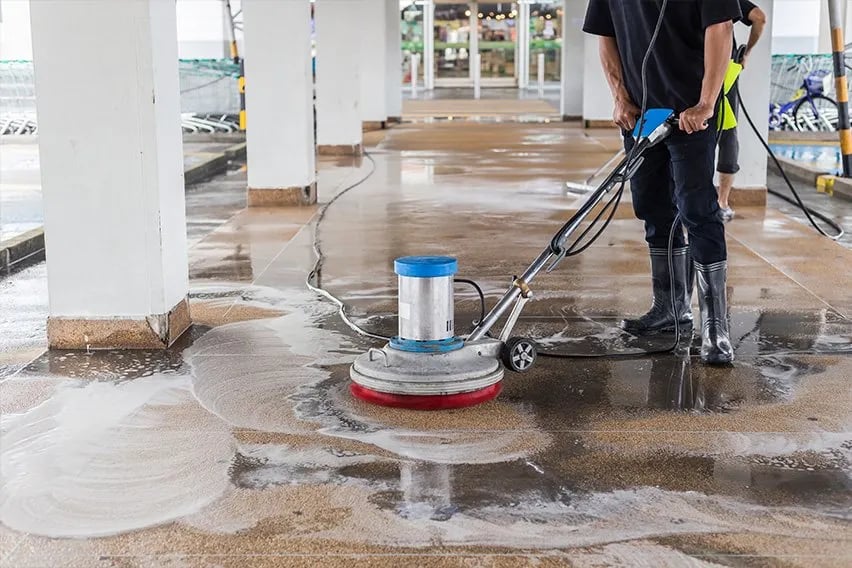
Maintaining a shopping center's aesthetic appeal is crucial for attracting customers and encouraging visits. One of the most effective ways to achieve this is through regular pressure washing. Over time, grime, dirt, algae, and various stains can accumulate on walkways, parking lots, and storefronts, significantly detracting from the visual appeal of the property. This build-up not only affects the overall attractiveness of the center but can also give an impression of neglect, which may deter potential customers.
Pressure washing serves to restore the inviting appearance of the shopping environment, allowing for a fresh and clean facade. The process removes unsightly residues and encourages a pristine atmosphere, which can make a positive first impression on shoppers. A well-maintained shopping center with clean surfaces can communicate to consumers that the tenants care about their surroundings, which can enhance the shopping experience.
The psychological impact of a clean environment on consumer behavior should not be underestimated. Research indicates that shoppers are more likely to frequent well-maintained establishments, as cleanliness is often associated with quality and trustworthiness. When shoppers feel comfortable and welcomed in a clean setting, they are generally more inclined to spend time and money in the space. Therefore, scheduling regular pressure washing services not only uplifts the visual appeal of a shopping center but can also potentially lead to increased sales for the tenants.
In summary, regular pressure washing is imperative for shopping centers, serving not only to enhance curb appeal but also to create a welcoming atmosphere that positively influences customer behavior. Prioritizing cleanliness will ultimately contribute to the success of the shopping center, benefiting both managers and tenants alike.
Safety Considerations: Preventing Hazards Through Pressure Washing
The maintenance of a shopping center involves not only aesthetic considerations but also a paramount focus on safety. Among various maintenance strategies, pressure washing emerges as an effective method for minimizing hazards associated with accumulated debris and stains on surfaces. Substances such as oil spills, bird droppings, and chewing gum can significantly increase the risk of slip-and-fall accidents for both customers and employees. These incidents not only pose a threat to individuals but can also lead to considerable liability issues for shopping center owners.
Regular pressure washing can help mitigate these risks by effectively removing hazardous materials from walkways, parking lots, and other common areas. Oil spills, for example, can create extremely slippery surfaces that are not only unpleasant but also dangerous. The high-pressure washing technique effectively breaks down and removes these slick substances, ensuring a safer environment for everyone. Similarly, bird droppings can be corrosive and unsightly, leading to potential slips and hazardous conditions, which can be resolved through consistent pressure washing practices.
The removal of chewing gum from pavements and other surfaces remains another critical aspect of maintaining safety. Chewing gum can be not only an eyesore but also a slipping hazard. Using pressure washing to remove these sticky residues ensures that surfaces remain clean and safe for both foot traffic and vehicle movement. Furthermore, a clean shopping center creates a more inviting atmosphere, encouraging customer footfall and promoting overall satisfaction.
In conclusion, adopting a pressure washing regimen is vital for maintaining a safe shopping environment. By addressing potential hazards proactively, shopping center owners can ensure a secure and pleasant experience for both customers and staff while significantly reducing liability risks associated with slip-and-fall accidents.
Protecting Your Property: Long-Term Benefits of Pressure Washing
Pressure washing is an essential maintenance practice for shopping centers, providing significant advantages that extend beyond immediate visual appeal. The process involves using high-pressure water to remove dirt, grime, mold, and mildew from exterior surfaces. This thorough cleaning not only enhances the aesthetics of a property but also serves a critical role in protecting its structural integrity. Over time, corrosive substances such as algae, grease, and moss can accumulate, leading to the deterioration of materials like concrete and brick. Neglecting to regularly clean these surfaces can result in long-term damage, compromising the safety and longevity of the shopping center.
By integrating pressure washing into a regular maintenance schedule, property owners can mitigate potential damage and enhance durability. Regular cleaning helps to inhibit the growth of harmful contaminants that may compromise structural components. For example, when mold and mildew thrive on surfaces, they can weaken the underlying materials, leading to costly repairs that could have been avoided through routine maintenance. Furthermore, intense weather conditions can exacerbate this wear and tear, making pressure washing not just a luxury, but a necessity.
Investing in pressure washing can lead to substantial long-term financial savings. Property managers who prioritize regular maintenance through this method can effectively prolong the lifespan of their building materials. This proactive approach not only prevents the need for frequent and costly repairs but also helps maintain a more attractive environment for shoppers, ultimately contributing to higher foot traffic and sales. Therefore, embracing a pressure washing routine is a strategic decision that reflects responsible property management, offering both aesthetic and financial resilience for shopping centers.
Determining the Right Pressure Washing Frequency
Establishing the appropriate frequency for pressure washing services at a shopping center is essential to maintaining cleanliness and aesthetics. Several key factors influence this determination, including location, weather conditions, tenant activities, and foot traffic. Each of these variables plays a significant role in how often various areas of the shopping center should be cleaned.
Firstly, the location of the shopping center can dictate the level of dirt and grime accumulation. Shopping centers situated in urban areas may experience more pollution and debris than those in rural settings, potentially necessitating more frequent pressure washing services. Additionally, centers located near construction sites or busy roadways may collect dust, leading to increased cleaning requirements.
Weather conditions also impact the frequency of pressure washing. Areas prone to heavy rainfall or snow may experience more mold, mildew, and dirt build-up on sidewalks and building exteriors, suggesting the need for a consistent cleaning schedule. On the other hand, shopping centers located in dryer climates may require less frequent washing, depending on the dust and debris prevalent in the area.
Tenant activities contribute to the necessity of pressure washing as well. For example, shopping centers with food establishments or outdoor dining areas might generate grease and stains more quickly, warranting more regular cleaning interventions. Similarly, considerations around foot traffic should be factored in; high traffic areas, such as entrances and parking lots, will typically need to be pressure washed more regularly than less frequented zones.
To establish an optimal cleaning schedule, it is beneficial to assess the unique characteristics of each shopping center. Ideally, creating a tailored plan based on the previously mentioned factors will not only enhance the aesthetic appeal but also extend the lifespan of surfaces, ultimately contributing to customer satisfaction and positive tenant experiences.