
Don’t Let Mildew Spoil Your Paradise: Essential Mildew Removal in Humid Climates
Mildew can quickly turn your paradise into a problem in humid climates! 🌿 Don’t let it take over—learn how to effectively remove mildew and protect your home and outdoor spaces. Keep things fresh and mold-free! #MildewRemoval #HomeCare #HumidityProblems #OutdoorLiving #MoldPrevention #CleanLiving #HealthyHome
EXTERIOR CLEANING SERVICE PROCESSESBASIC HOME MAINTENANCECURB APPEALPRESSURE WASHING SERVICES
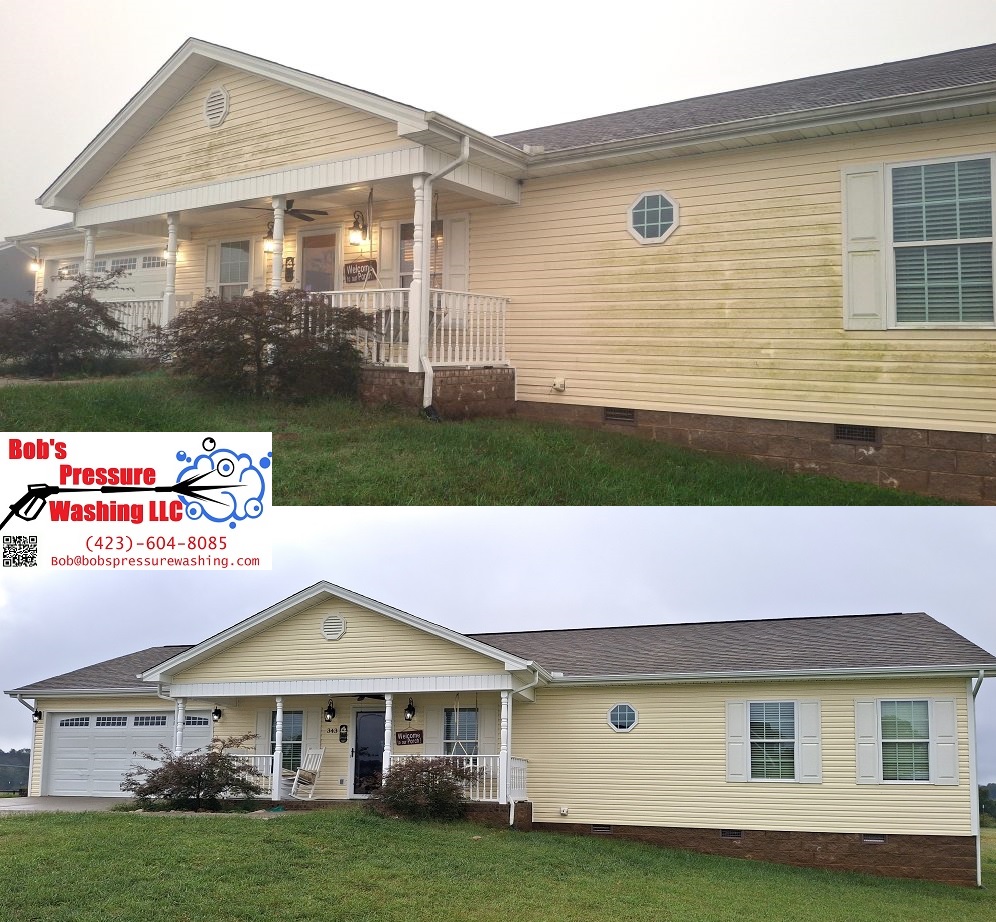
Understanding Mildew: What It Is and How It Thrives
Mildew is a type of fungus that commonly appears as a gray or white powdery substance on surfaces, usually indicating the presence of moisture. This fungal growth is particularly prevalent in humid environments, where warm temperatures and moisture combine to create ideal conditions for its development. Mildew thrives in areas with stagnant air and high humidity levels, which are characteristic of many tropical and subtropical climates. It can flourish at temperatures ranging from 50°F to 90°F (10°C to 32°C), making it a frequent nuisance for homeowners in humid regions.
The growth of mildew is largely influenced by the availability of moisture. Condensation, rain, or high humidity can facilitate the proliferation of this fungus. Surfaces that are most vulnerable to mildew include wooden decks, siding, roofs, and outdoor patios. These materials, when exposed to the elements, can accumulate moisture, creating a favorable environment for mildew spores to settle and proliferate. Additionally, poorly ventilated areas such as bathrooms, basements, and attics often facilitate mildew growth as they trap humidity and warmth.
Understanding the conditions that promote mildew is crucial for effective prevention and removal. Moisture control is paramount; using dehumidifiers and ensuring proper ventilation can significantly reduce the likelihood of mildew infestations. Regular maintenance of exterior surfaces, including cleaning and sealing, can further mitigate the risks associated with mildew growth. Identifying problem areas around the home helps in proactively addressing conditions that may invite this unwanted fungus. By targeting high-risk surfaces and maintaining a consistent level of moisture control, homeowners can protect their living environments from the detrimental effects of mildew.
Health Hazards Associated with Mildew Exposure
Mildew is more than just an aesthetic nuisance; it poses significant health risks, particularly for individuals residing in humid climates. The spores released by mildew can become airborne, leading to a range of respiratory problems. Inhalation of these spores can trigger allergic reactions, exacerbating pre-existing conditions such as asthma or bronchitis. Symptoms may include coughing, sneezing, nasal congestion, and even severe respiratory distress in sensitive individuals.
Children and the elderly, as well as individuals with compromised immune systems, are particularly vulnerable to the harmful effects associated with mildew exposure. For children, prolonged exposure may not only lead to immediate respiratory symptoms but could also develop into chronic issues that affect their overall health and development. The risks are compounded for individuals undergoing immunosuppressive treatments, who may find their bodies unable to fight off infections and allergens more effectively. This demographic is at heightened risk for more severe reactions, such as pneumonia, if exposed to high levels of mildew spores in their environment.
Beyond respiratory issues, mildew exposure can also result in skin irritations and infections, further complicating health matters for those already susceptible. The presence of mildew can amplify the overall stress on the body, leading to fatigue, headaches, and other systemic symptoms. Recognizing these health hazards is essential for anyone living in damp areas, as the impacts of mildew can extend far beyond its visible presence. Understanding the connection between mildew and health effects underscores the necessity of implementing effective mildew removal strategies to safeguard home environments and, consequently, the well-being of inhabitants.
Preventing Mildew in Humid Climates: Tips for Homeowners
Homeowners living in humid climates are often challenged by the presence of mildew, which thrives in damp conditions. Fortunately, there are several effective strategies to prevent mildew growth and maintain a healthy living environment. One of the first steps in combating mildew is to enhance ventilation throughout the home. Keeping windows open when possible and utilizing exhaust fans in areas like kitchens and bathrooms can significantly reduce moisture levels. Additionally, creating cross-ventilation by leaving doors between rooms open can help promote airflow, further reducing humidity.
Implementing dehumidifiers is another essential measure for controlling moisture in the air. These devices are especially beneficial in areas prone to high humidity, such as basements or laundry rooms. By targeting and removing excess moisture before it can contribute to mildew growth, homeowners can create a less hospitable environment for these fungi. Regular monitoring of indoor humidity levels, ideally keeping them between 30-50%, is also recommended.
Moreover, proper maintenance of outdoor spaces plays a crucial role in mildew prevention. Homeowners should routinely check for stagnant water around their property, such as clogged gutters or poorly draining flower beds, as these can encourage mildew development. Regularly cleaning and treating outdoor furniture with mildew-resistant products can protect these items from damp conditions.
Additionally, selecting materials that resist moisture can help deter mildew growth. For instance, utilizing mildew-resistant paints and building materials, particularly in areas exposed to higher humidity, protects structures from infiltration. Regular inspections of these materials ensure they remain intact and effective. Homeowners can also benefit from treatments specifically designed to prevent mildew, such as anti-fungal sprays for susceptible surfaces. By employing these prevention techniques, homeowners can significantly reduce the likelihood of mildew spoiling their paradise.
Effective Mildew Removal Techniques and Products
Removing mildew effectively requires a combination of appropriate techniques and the right products, whether opting for DIY solutions or commercial products. The choice between these options depends largely on the severity of the mildew infestation and the areas affected. For milder cases, natural remedies can often suffice.
One of the most popular DIY solutions is a mixture of white vinegar and water. Vinegar has natural antifungal properties which can actively combat mildew spores. To use this method, simply combine one part vinegar with one part water in a spray bottle, apply it to the affected area, and let it sit for at least an hour before scrubbing with a brush. Rinse with clean water afterward and ensure the area is well-ventilated to aid drying and prevent recurrence.
Baking soda is another effective, non-toxic option. It not only removes mildew but also neutralizes odors. Mix one quarter of a tablespoon with water to create a paste, then scrub the paste onto the mildew-affected surface. After allowing it to dry, wipe clean with a damp cloth.
For more severe infestations, commercially available mildew removers can be more effective. These products often contain stronger chemical agents designed to penetrate tough spores. Always read the instructions carefully and wear appropriate protective gear, such as gloves and masks, to minimize exposure. Common commercial options include sprays and concentrates specifically designed for mold and mildew removal.
In some cases, especially when mildew penetrates deeply into materials like drywall or wood, consulting professional mold remediation services may be necessary. Professionals have access to advanced equipment and products that can eliminate mildew effectively and may also address underlying moisture issues contributing to the problem.
Regardless of the approach taken, it is essential to implement follow-up care. Regular cleaning and ventilation will deter future mildew growth, safeguarding your living environment and preserving your home’s integrity.