Blast Away Graffiti: The Power of Pressure Washing and Graffiti Removal
Say goodbye to unwanted graffiti with the power of pressure washing! 💪 It's an effective, fast way to restore your surfaces and keep your space looking fresh and clean. Don't let graffiti ruin your property's appearance. #GraffitiRemoval #PressureWashing #StreetArt #PropertyMaintenance #CleanSpaces #HomeCare #ExteriorCleaning
EXTERIOR CLEANING SERVICE PROCESSESBASIC HOME MAINTENANCECURB APPEALPRESSURE WASHING SERVICES
The Challenge of Graffiti Removal
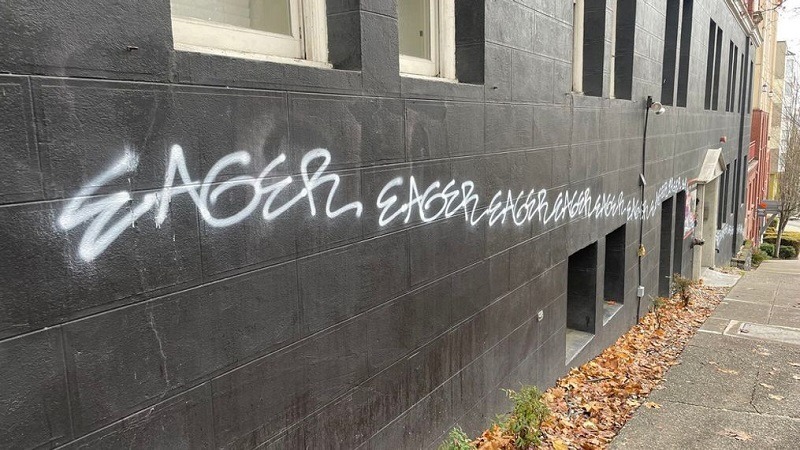
Graffiti removal presents a formidable challenge for property owners and maintenance professionals alike due to the tenacity of the materials used by taggers. The paint and ink utilized in graffiti are specifically designed to be highly adherent, allowing them to bond strongly to various surfaces, including brick, concrete, and metal. This strong adherence complicates the removal process, as conventional cleaning approaches often fall short, leaving remnants of unsightly markings that continue to detract from a property’s appearance.
One of the primary issues with traditional graffiti removal methods is that they may not effectively penetrate the layers of paint. Techniques such as scrubbing with brushes or applying solvents can sometimes lead to incomplete removal, resulting in shadowing or ghosting effects where the graffiti remains visible, albeit faintly. Moreover, aggressive scrubbing or the use of harsh chemicals can inadvertently damage the underlying material, affecting its integrity and leading to costly repairs.
The complexity of graffiti removal is further compounded by the variety of surfaces involved. For instance, porous materials like brick and sandstone can absorb paint, making it particularly difficult to remove without specialized equipment and solutions. Conversely, smooth surfaces such as glass and aluminum may require different approaches to avoid scratches or other forms of damage. Understanding the diverse nature of graffiti materials—ranging from spray paint to markers—also plays a pivotal role in determining the most effective removal strategy.
In summary, successfully addressing graffiti challenges necessitates a comprehensive understanding of both the surfaces affected and the properties of the graffiti itself. Employing targeted techniques and appropriate tools is essential for effective cleaning, helping to restore surfaces to their original condition and maintain the aesthetic value of the property.
The Power of Pressure Washing
Pressure washing, also known as power washing, is an effective cleaning technique that uses high-pressure water jets to remove dirt, grime, and graffiti from various surfaces. This method has gained popularity due to its efficiency and ability to restore surfaces to their original condition. The process involves a pressure washer, which is powered by either electricity or gas, and operates by forcing water through a nozzle at significantly high pressures, typically ranging from 1,200 to 2,800 psi (pounds per square inch). This high-pressure stream can effectively dislodge stubborn stains and graffiti without damaging the underlying material.
One of the notable advantages of pressure washing is its environmentally friendly nature. Unlike traditional graffiti removal methods that often rely on harsh chemicals which can be harmful to both the surface and the environment, pressure washing minimizes the use of such substances. This approach significantly reduces chemical runoff, making it safer for plants, animals, and water bodies. Moreover, the efficacy of high-pressure water jets means that labor is reduced, resulting in cost savings for property owners.
While some misconceptions regarding pressure washing persist, it is important to clarify these points. Many believe that pressure washing can damage surfaces; however, when operated correctly and adjusted to the desired pressure, it is a safe method for cleaning a variety of materials, including brick, concrete, and wood. Additionally, some individuals think that pressure washing is only effective on flat surfaces, but in reality, it can be successfully utilized on vertical surfaces, such as walls and fences, ensuring comprehensive graffiti removal.
In essence, pressure washing stands out as a powerful tool in the fight against graffiti. Its efficiency, cost-effectiveness, and minimal environmental impact make it a preferred choice for both commercial and residential property owners. As awareness of these benefits continues to grow, pressure washing may increasingly be seen as the go-to solution for graffiti removal.
Versatility of Pressure Washing
Pressure washing is renowned for its versatile applications, making it an invaluable tool in maintenance and restoration efforts across various surfaces. This cleaning method can effectively restore a wide range of materials, including brick, concrete, wood, and metal, each requiring different pressure settings and techniques to achieve optimal results. For instance, brick surfaces benefit from medium pressure, which allows the removal of dirt and grime without damaging the material. Similarly, concrete surfaces, often more resilient, can withstand higher pressure, effectively eliminating stubborn stains and graffiti that may mar their appearance.
Wood, being a more delicate material, necessitates a lower pressure setting to prevent damage while still achieving thorough cleansing. This careful adjustment ensures that the integrity of the wood is preserved while effectively removing pollutants and unwanted markings. Metal surfaces, on the other hand, can also be successfully cleaned using pressure washing techniques, although attention must be paid to prevent corrosion, especially in painted or treated metals.
The diversity of graffiti types further accentuates the adaptability of pressure washing. From spray paint to marker ink, the approach to graffiti removal must be tailored to the specific surface material as well as the environmental conditions at hand. For instance, graffiti on concrete may require a more aggressive blasting method, whereas delicate wood may necessitate a gentler touch with specialized detergents to facilitate removal without damage. Overall, the versatility of pressure washing makes it a preferred choice for those looking to restore surfaces while addressing the unique challenges posed by varying materials and types of graffiti.
Tips for Effective Graffiti Removal with Pressure Washing
Pressure washing is a highly effective method for removing graffiti, but achieving the best results requires knowledge of certain techniques and best practices. To begin, it is crucial to select the appropriate pressure setting for the surface being cleaned. Different materials, such as brick, concrete, or wood, have varying tolerances to pressure. A pressure setting between 1,500 to 3,000 PSI is generally effective for harder surfaces, while softer materials may require a lower setting to avoid damage.
The choice of nozzle plays a significant role in the effectiveness of graffiti removal. For most applications, a 15-degree or 25-degree nozzle is ideal, as these provide a concentrated spray that can penetrate graffiti layers without excessive risk to the underlying surface. Adjusting the distance between the nozzle and the surface can help control the intensity of the spray—typically, a distance of 12 to 24 inches is recommended for best results.
In addition to appropriate pressure settings and nozzle choices, mastering the technique is essential. Always begin washing at the top of the graffiti and work downwards to prevent streaking. Use overlapping strokes to ensure thorough coverage and to maximize the cleaning power of the water spray. Another helpful tip is to apply a graffiti removal solution before pressure washing. Allowing the solution to sit for a few minutes can enhance its effectiveness in breaking down the paint.
Safety precautions also cannot be overlooked. Always wear protective gear, including safety goggles and gloves, to prevent potential injuries. Ensure that the area is clear of obstacles and bystanders. Furthermore, be mindful of the environment by capturing runoff water and chemicals when necessary to adhere to local regulations.
After successfully removing graffiti, it is important to maintain the integrity of the cleaned surface. Applying a protective sealant can help prevent future graffiti and prolong the cleanliness of the area. By following these tips and best practices, individuals can ensure effective graffiti removal using pressure washing while preserving the quality of the underlying material.